Leviticus Chapter 3 focuses on the fellowship offering, also known as the peace offering. Unlike other sacrifices that primarily dealt with sin or guilt, the fellowship offering celebrated peace, gratitude, and communion with God. It symbolized a restored relationship between God and His people and was often offered as an expression of thanksgiving, fulfillment of a vow, or voluntary worship. This chapter also establishes God’s command that the fat and the blood belong to Him alone, teaching His people reverence for life and wholehearted devotion.
Leviticus Chapter 3 Summary
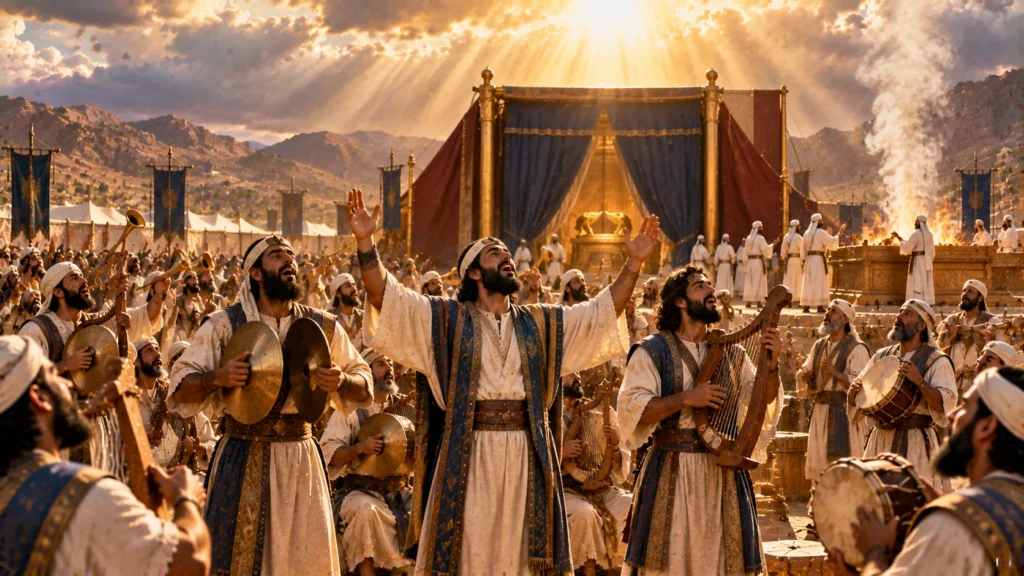
Leviticus Chapter 3 begins by outlining the instructions for presenting a fellowship offering to the Lord. Unlike the burnt offering, where the entire animal was consumed on the altar, the fellowship offering was shared between God, the priests, and the worshiper, symbolizing fellowship and peace with God.
If the offering came from the herd, whether male or female, it had to be without blemish. The worshiper placed a hand on the animal’s head before slaughtering it at the entrance of the Tabernacle. Aaron’s sons then sprinkled the blood against the sides of the altar.
The choicest portions of the animal—the fat covering the internal organs, the kidneys, and the long lobe of the liver—were carefully removed and burned on the altar as a pleasing aroma to the Lord. These portions represented giving God the very best.
The chapter continues by describing the same procedure for fellowship offerings taken from the flock. Whether the worshiper presented a sheep or a goat, the offering had to be without defect. In the case of a sheep, the entire fat tail was also offered to God because it was considered one of the richest parts of the animal. The blood was again sprinkled around the altar, while the fat portions were completely consumed by fire as God’s portion of the sacrifice.
Unlike many pagan religions of the surrounding nations, Israel’s sacrifices emphasized worship, thanksgiving, covenant relationship, and holiness rather than attempting to manipulate God. The fellowship offering celebrated reconciliation and joyful communion with the Lord.
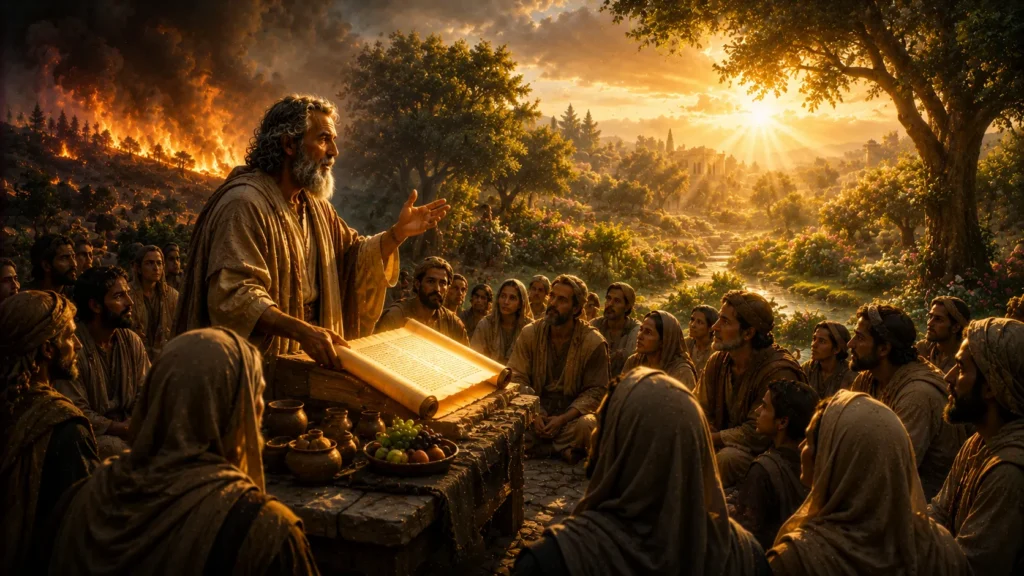
The chapter concludes with an everlasting statute for the Israelites: they were never to eat the fat or the blood. The fat belonged exclusively to God as the best portion, while the blood represented life itself and was reserved for atonement. These commands taught Israel to honor God’s ownership, recognize the sacredness of life, and approach Him with reverence.
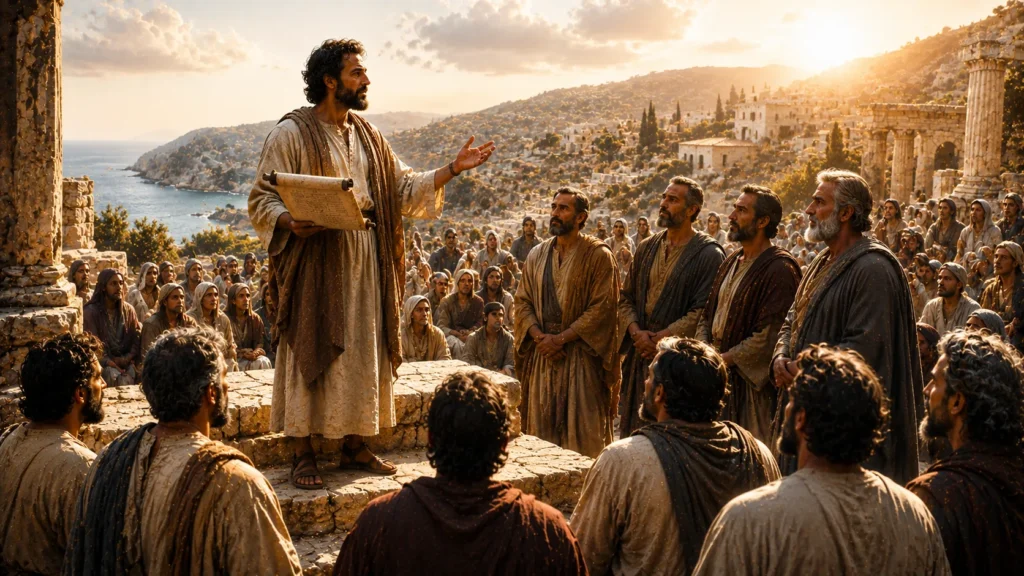
Leviticus Chapter 3 ultimately points forward to Jesus Christ, who became our perfect peace offering. Through His sacrifice, believers are reconciled to God and invited into eternal fellowship with Him.
leviticus3cent
Key Lessons From Leviticus Chapter 3
God desires fellowship with His people.
Worship should be offered with gratitude and joy.
God deserves our very best.Life belongs to God and should be treated as holy.
Peace with God comes through sacrifice.
Jesus Christ is our ultimate source of peace and reconciliation.
Important Verses
Leviticus 3:1 – “If your offering is a fellowship offering and you offer an animal from the herd, whether male or female, you are to present before the LORD an animal without defect.”
Leviticus 3:5 – “It is a food offering, an aroma pleasing to the LORD.”
Leviticus 3:16 – “All the fat is the LORD’s.”
Leviticus 3:17 – “This is a lasting ordinance for the generations to come, wherever you live: You must not eat any fat or any blood.”






Leviticus Chapter 3 Summary
Leviticus Chapter 3 focuses on the fellowship offering, also known as the peace offering. Unlike other sacrifices that primarily dealt with sin or guilt, the fellowship offering celebrated peace, gratitude, and communion with God. It symbolized a restored relationship between God and His people and was often offered as an expression of thanksgiving, fulfillment of a vow, or voluntary worship. This chapter also establishes God’s command that the fat and the blood belong to Him alone, teaching His people reverence for life and wholehearted devotion.
Leviticus Chapter 3 Summary
Leviticus Chapter 3 begins by outlining the instructions for presenting a fellowship offering to the Lord. Unlike the burnt offering, where the entire animal was consumed on the altar, the fellowship offering was shared between God, the priests, and the worshiper, symbolizing fellowship and peace with God.
If the offering came from the herd, whether male or female, it had to be without blemish. The worshiper placed a hand on the animal’s head before slaughtering it at the entrance of the Tabernacle. Aaron’s sons then sprinkled the blood against the sides of the altar.
The choicest portions of the animal—the fat covering the internal organs, the kidneys, and the long lobe of the liver—were carefully removed and burned on the altar as a pleasing aroma to the Lord. These portions represented giving God the very best.
The chapter continues by describing the same procedure for fellowship offerings taken from the flock. Whether the worshiper presented a sheep or a goat, the offering had to be without defect. In the case of a sheep, the entire fat tail was also offered to God because it was considered one of the richest parts of the animal. The blood was again sprinkled around the altar, while the fat portions were completely consumed by fire as God’s portion of the sacrifice.
Unlike many pagan religions of the surrounding nations, Israel’s sacrifices emphasized worship, thanksgiving, covenant relationship, and holiness rather than attempting to manipulate God. The fellowship offering celebrated reconciliation and joyful communion with the Lord.
The chapter concludes with an everlasting statute for the Israelites: they were never to eat the fat or the blood. The fat belonged exclusively to God as the best portion, while the blood represented life itself and was reserved for atonement. These commands taught Israel to honor God’s ownership, recognize the sacredness of life, and approach Him with reverence.
Leviticus Chapter 3 ultimately points forward to Jesus Christ, who became our perfect peace offering. Through His sacrifice, believers are reconciled to God and invited into eternal fellowship with Him.
Key Lessons From Leviticus Chapter 3
Important Verses
Gary A.D.
Latest Posts
Genesis Chapter 1 Summary
Exodus Chapter 1 Summary
Leviticus Chapter 1 Summary
Song of Solomon Music Video
Continue Reading
Genesis Chapter 25 Summary
Genesis Chapter 24 Summary
Genesis Chapter 23 Summary