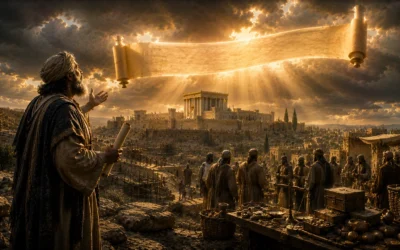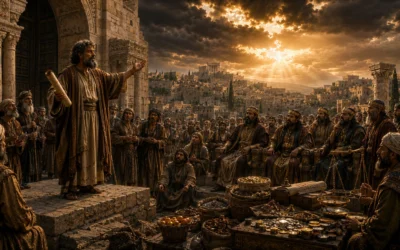

Ecclesiastes Chapter 2 continues Solomon’s search for meaning and fulfillment in life. As king of Israel, Solomon possessed wealth, wisdom, power, and opportunities beyond what most people could imagine. In this chapter, he explores pleasure, accomplishments, possessions, and wisdom, only to discover that none of these earthly pursuits can provide lasting satisfaction apart from God.
Ecclesiastes Chapter 2 Summary
Solomon begins by testing whether pleasure can bring true happiness. He indulges in laughter, entertainment, and every form of enjoyment available to him. Yet after experiencing these pleasures, he concludes that they are ultimately temporary and unable to satisfy the deepest needs of the human heart.
Next, Solomon turns to great achievements and personal accomplishments. He builds magnificent houses, plants vineyards, creates gardens and parks, and develops vast irrigation systems. His wealth increases beyond that of any king before him in Jerusalem.
He acquires servants, livestock, silver, gold, and treasures from many nations. Musicians entertain him, and he enjoys every luxury available. Whatever his eyes desire, he allows himself to possess.
Despite obtaining everything he wanted, Solomon finds that lasting fulfillment still escapes him. Looking back on all his accomplishments, he describes them as vanity and a chasing after the wind.
Solomon then compares wisdom and foolishness. He acknowledges that wisdom is better than folly, just as light is better than darkness. Wise people understand more clearly how to navigate life.
However, Solomon observes a troubling reality: both the wise and the foolish eventually die. Death comes to everyone regardless of their accomplishments, knowledge, or wealth. This realization causes him great frustration.
He further reflects on the fact that everything he has worked to build will eventually be inherited by others. Those who come after him may be wise or foolish, yet they will receive the results of his labor.
As a result, Solomon experiences despair over all his earthly efforts. Nevertheless, he concludes that there is value in enjoying God’s gifts. Eating, drinking, working, and finding satisfaction in daily life are blessings that come from God’s hand.
The chapter ends by teaching that true joy and contentment are found not in possessions or achievements but in a right relationship with God.

Key Lessons From Ecclesiastes 2
- Earthly pleasures cannot provide lasting fulfillment.
- Wealth and success alone cannot satisfy the human soul.
- Wisdom is valuable but does not eliminate life’s challenges.
- Death reminds us of the temporary nature of earthly achievements.
- Lasting purpose is found in God rather than possessions.
- Contentment is a gift from God.
- Enjoying God’s blessings is part of living wisely.
Important Verses
- Ecclesiastes 2:1 — Solomon tests pleasure to find fulfillment.
- Ecclesiastes 2:10 — Solomon withholds nothing his eyes desire.
- Ecclesiastes 2:11 — All earthly pursuits prove to be vanity.
- Ecclesiastes 2:16 — Both the wise and foolish face death.
- Ecclesiastes 2:24 — Enjoyment and satisfaction come from God’s hand.