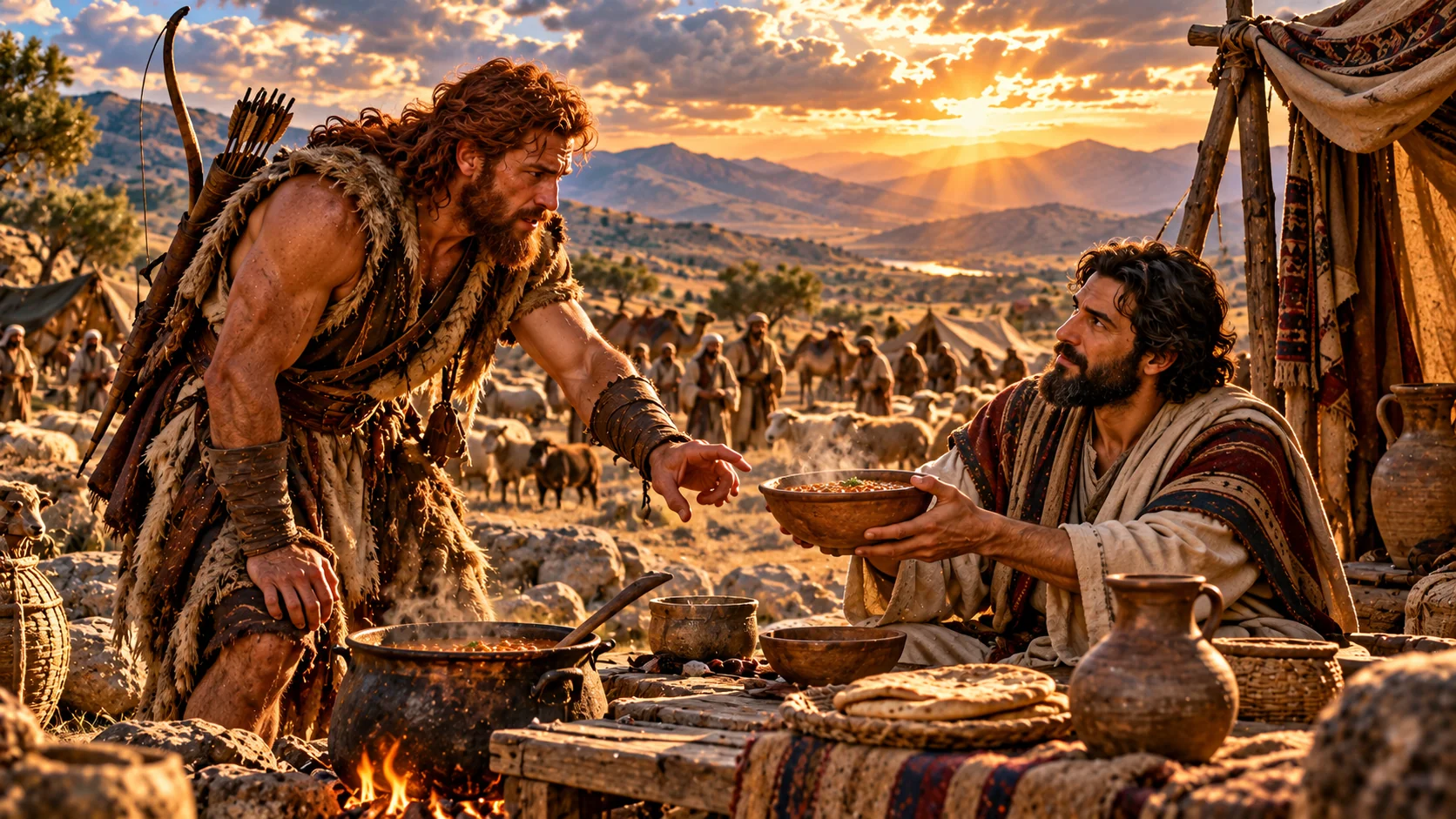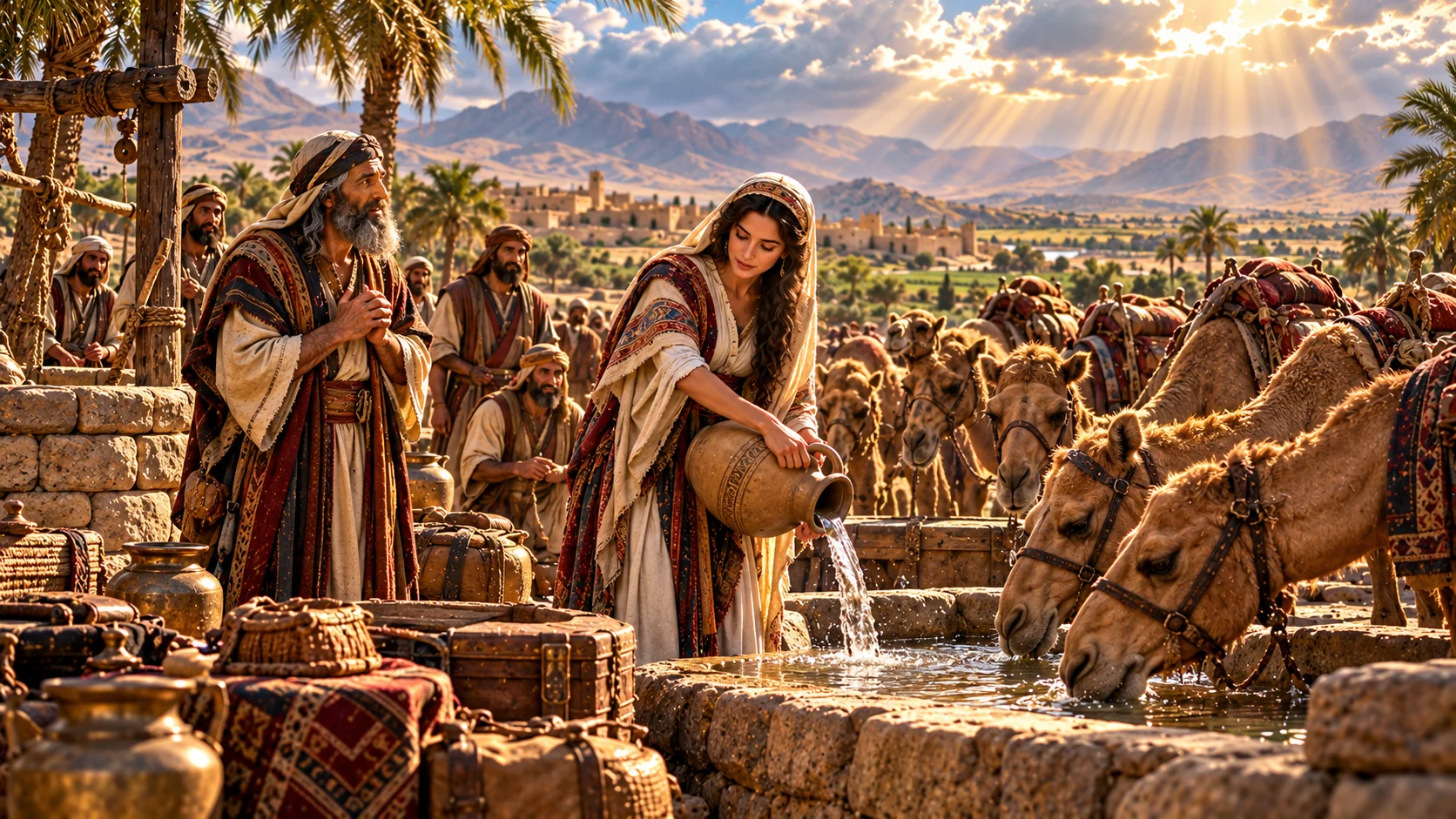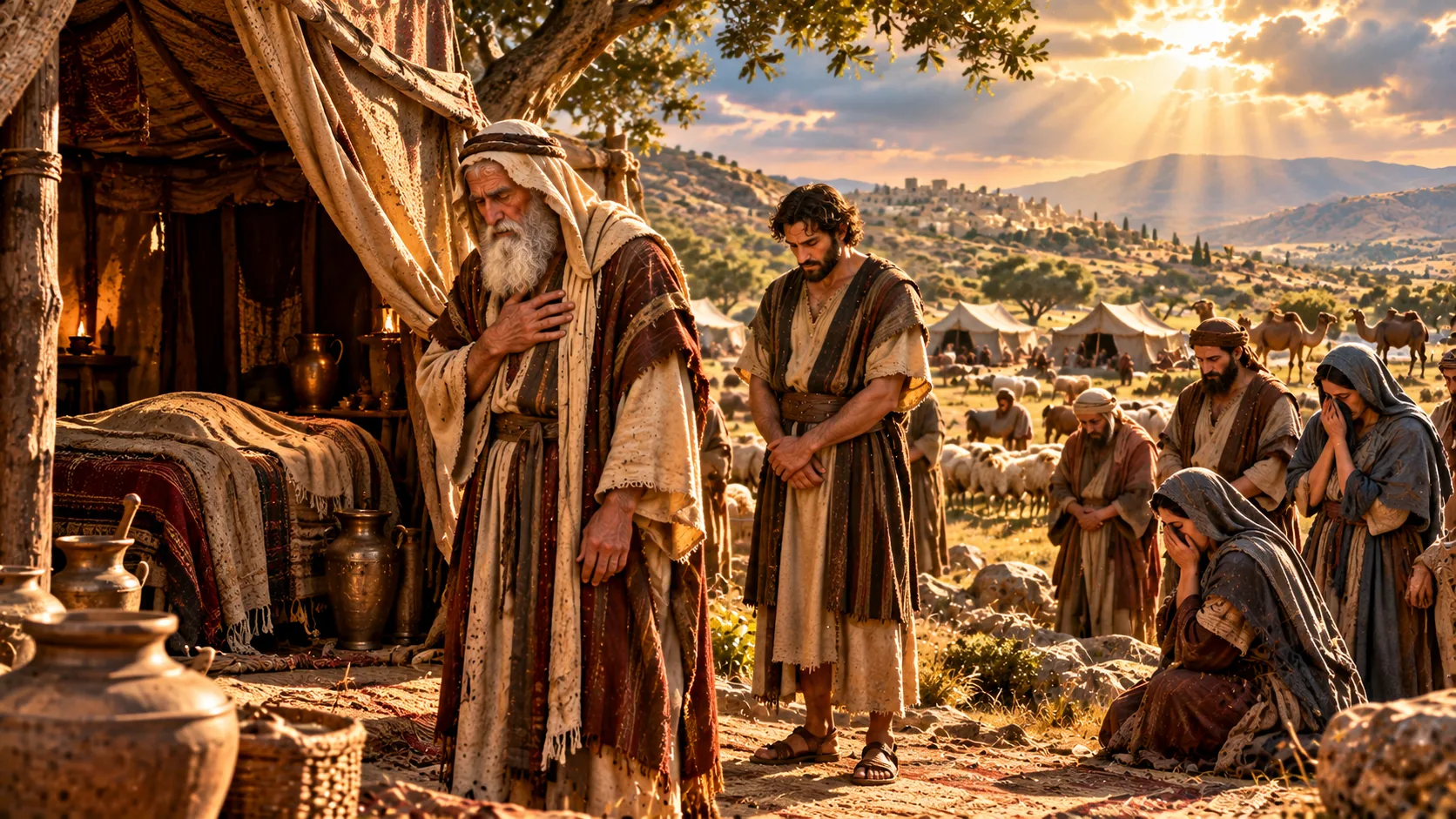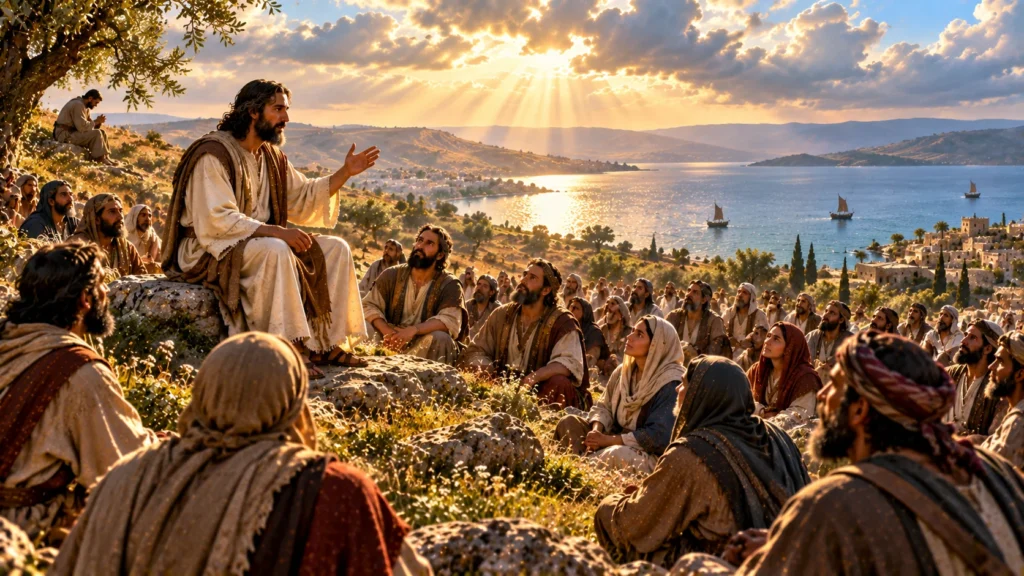



Genesis Chapter 21 records one of the most joyful and significant moments in Abraham’s life: the birth of Isaac, the long-awaited son God promised to Abraham and Sarah.
After many years of waiting, God’s extraordinary promise is finally fulfilled. Abraham is now one hundred years old, and Sarah, who had once laughed in disbelief at the thought of having a child in her old age, gives birth to Isaac.
The chapter also records growing tension between Sarah and Hagar, the mother of Abraham’s first son, Ishmael. Sarah insists that Hagar and Ishmael leave Abraham’s household, creating a painful family separation.
Although Abraham is deeply troubled, God assures him that He will care for Ishmael and make him into a great nation.
When Hagar and Ishmael struggle to survive in the wilderness of Beersheba, God hears Ishmael’s cries and provides water, saving their lives.
The chapter concludes with Abraham establishing a peaceful agreement with Abimelech, king of Gerar, concerning a disputed well at Beersheba.
Genesis 21 brings together powerful themes of God’s faithfulness, fulfilled promises, family conflict, divine compassion, provision, and peaceful relationships.
Genesis Chapter 21 Summary
Genesis Chapter 21 begins with the fulfillment of a promise that had seemed impossible for many years.
The Lord visits Sarah just as He had promised, and Sarah becomes pregnant and gives birth to a son in Abraham’s old age.
Abraham is now one hundred years old.
The child is named Isaac, meaning “he laughs,” just as God had instructed Abraham.
When Isaac is eight days old, Abraham circumcises him in obedience to God’s covenant command.
Sarah responds to the birth of her son with overwhelming joy.
She declares that God has made her laugh and that everyone who hears about her extraordinary experience will laugh with her.
The woman who once laughed in disbelief now laughs with joy because God has accomplished what seemed humanly impossible.
As Isaac grows, Abraham holds a great feast on the day the child is weaned.
However, this joyful occasion becomes the beginning of a serious family conflict.
Sarah sees Ishmael, the son Hagar had borne to Abraham, engaging in behavior she finds objectionable. She demands that Abraham send Hagar and Ishmael away.
Sarah insists that Ishmael must not share in the inheritance intended for Isaac.
Abraham is deeply distressed by the demand because Ishmael is also his son.
God speaks to Abraham and tells him to listen to Sarah concerning Isaac’s position as the promised heir.
God explains that the covenant line will continue through Isaac.
However, God also assures Abraham that Ishmael will become a nation because he, too, is Abraham’s descendant.
Early the next morning, Abraham gives Hagar bread and a container of water and sends her away with Ishmael.
Hagar wanders through the wilderness of Beersheba.
Eventually, their water supply runs out.
Facing a desperate situation, Hagar places Ishmael beneath a shrub and moves some distance away because she cannot bear to watch him die.
Overcome with grief, she begins to weep.
But God hears the voice of Ishmael.
The angel of God calls to Hagar from heaven and asks why she is distressed.
The messenger tells her not to be afraid because God has heard the boy.
Hagar is instructed to rise, lift Ishmael, and hold him by the hand.
God renews His promise that Ishmael will become a great nation.
Then God opens Hagar’s eyes, and she sees a well of water.
She fills her container and gives Ishmael water to drink.
Through God’s provision, both Hagar and Ishmael survive.
The chapter explains that God remains with Ishmael as he grows.
Ishmael lives in the wilderness, becomes skilled with a bow, and eventually settles in the wilderness of Paran.
His mother obtains a wife for him from Egypt.
The narrative then returns to Abraham.
At this time, Abimelech and Phichol, the commander of his army, approach Abraham.
Abimelech acknowledges that God is with Abraham in everything he does.
He asks Abraham to swear that he will deal honestly with Abimelech, his descendants, and the land where Abraham has been living.
Abraham agrees.
However, Abraham raises a complaint concerning a well of water that Abimelech’s servants had seized.
Abimelech explains that he was unaware of the dispute.
The two men resolve the matter peacefully.
Abraham gives Abimelech sheep and cattle, and they establish a covenant.
Abraham also sets aside seven ewe lambs as a witness that he had dug the well.
Because of the oath made there, the place becomes known as Beersheba, a name associated with the well of the oath or the well of seven.
After their agreement, Abimelech and Phichol return to the land of the Philistines.
Abraham plants a tamarisk tree in Beersheba and calls upon the name of the Lord, the Everlasting God.
Genesis Chapter 21 concludes by explaining that Abraham remains in the land of the Philistines for many days.
The chapter demonstrates that God keeps His promises to Abraham and Sarah while also showing compassion and provision toward Hagar and Ishmael.
Key Lessons – Genesis Chapter 21
Genesis Chapter 21 begins with the fulfillment of a promise that had seemed impossible for many years.
The Lord visits Sarah just as He had promised, and Sarah becomes pregnant and gives birth to a son in Abraham’s old age.
Abraham is now one hundred years old.
The child is named Isaac, meaning “he laughs,” just as God had instructed Abraham.
When Isaac is eight days old, Abraham circumcises him in obedience to God’s covenant command.
Sarah responds to the birth of her son with overwhelming joy.
She declares that God has made her laugh and that everyone who hears about her extraordinary experience will laugh with her.
The woman who once laughed in disbelief now laughs with joy because God has accomplished what seemed humanly impossible.
As Isaac grows, Abraham holds a great feast on the day the child is weaned.
However, this joyful occasion becomes the beginning of a serious family conflict.
Sarah sees Ishmael, the son Hagar had borne to Abraham, engaging in behavior she finds objectionable. She demands that Abraham send Hagar and Ishmael away.
Sarah insists that Ishmael must not share in the inheritance intended for Isaac.
Abraham is deeply distressed by the demand because Ishmael is also his son.
God speaks to Abraham and tells him to listen to Sarah concerning Isaac’s position as the promised heir.
God explains that the covenant line will continue through Isaac.
However, God also assures Abraham that Ishmael will become a nation because he, too, is Abraham’s descendant.
Early the next morning, Abraham gives Hagar bread and a container of water and sends her away with Ishmael.
Hagar wanders through the wilderness of Beersheba.
Eventually, their water supply runs out.
Facing a desperate situation, Hagar places Ishmael beneath a shrub and moves some distance away because she cannot bear to watch him die.
Overcome with grief, she begins to weep.
But God hears the voice of Ishmael.
The angel of God calls to Hagar from heaven and asks why she is distressed.
The messenger tells her not to be afraid because God has heard the boy.
Hagar is instructed to rise, lift Ishmael, and hold him by the hand.
God renews His promise that Ishmael will become a great nation.
Then God opens Hagar’s eyes, and she sees a well of water.
She fills her container and gives Ishmael water to drink.
Through God’s provision, both Hagar and Ishmael survive.
The chapter explains that God remains with Ishmael as he grows.
Ishmael lives in the wilderness, becomes skilled with a bow, and eventually settles in the wilderness of Paran.
His mother obtains a wife for him from Egypt.
The narrative then returns to Abraham.
At this time, Abimelech and Phichol, the commander of his army, approach Abraham.
Abimelech acknowledges that God is with Abraham in everything he does.
He asks Abraham to swear that he will deal honestly with Abimelech, his descendants, and the land where Abraham has been living.
Abraham agrees.
However, Abraham raises a complaint concerning a well of water that Abimelech’s servants had seized.
Abimelech explains that he was unaware of the dispute.
The two men resolve the matter peacefully.
Abraham gives Abimelech sheep and cattle, and they establish a covenant.
Abraham also sets aside seven ewe lambs as a witness that he had dug the well.
Because of the oath made there, the place becomes known as Beersheba, a name associated with the well of the oath or the well of seven.
After their agreement, Abimelech and Phichol return to the land of the Philistines.
Abraham plants a tamarisk tree in Beersheba and calls upon the name of the Lord, the Everlasting God.
Genesis Chapter 21 concludes by explaining that Abraham remains in the land of the Philistines for many days.
The chapter demonstrates that God keeps His promises to Abraham and Sarah while also showing compassion and provision toward Hagar and Ishmael.

Key Lessons – Genesis Chapter 21
- – God fulfills His promises at the appointed time. Isaac’s birth demonstrates that God’s promises are not limited by human circumstances or the passage of time.
- – Nothing is impossible for God. Sarah gives birth in her old age, fulfilling a promise that once seemed beyond belief.
- – Waiting can be part of the journey of faith. Abraham and Sarah waited many years before experiencing the fulfillment of God’s promise.
- – God can turn disbelief into joy. Sarah’s earlier laughter of uncertainty becomes laughter of celebration when Isaac is born.
- – Family conflict can bring painful consequences. The separation of Hagar and Ishmael from Abraham’s household reveals the emotional cost of jealousy, division, and difficult family decisions.
- – God hears those who are suffering. When Hagar and Ishmael face desperation in the wilderness, God hears Ishmael and responds with compassion.
- – God’s care extends beyond the central covenant family. Although Isaac is the promised covenant heir, God also protects Ishmael and promises to make him a great nation.
- – God provides in times of desperation. The well revealed to Hagar demonstrates divine provision when human resources have been exhausted.
- – Peaceful agreements help resolve disputes. Abraham and Abimelech settle their disagreement over the well through communication, honesty, and a covenant.
- – Worship and gratitude should follow God’s faithfulness. Abraham plants a tree at Beersheba and calls upon the Lord, acknowledging the Everlasting God.
Important Verses
- Genesis 21:1 — “And the LORD visited Sarah as he had said, and the LORD did unto Sarah as he had spoken.”
- Genesis 21:2 — “For Sarah conceived, and bare Abraham a son in his old age, at the set time of which God had spoken to him.”
- Genesis 21:3 — “And Abraham called the name of his son that was born unto him, whom Sarah bare to him, Isaac.”
- Genesis 21:6 — “And Sarah said, God hath made me to laugh, so that all that hear will laugh with me.”
- Genesis 21:12 — “For in Isaac shall thy seed be called.”
- Genesis 21:17 — “And God heard the voice of the lad; and the angel of God called to Hagar out of heaven, and said unto her, What aileth thee, Hagar? fear not; for God hath heard the voice of the lad where he is.”
- Genesis 21:19 — “And God opened her eyes, and she saw a well of water; and she went, and filled the bottle with water, and gave the lad drink.”
- Genesis 21:22 — “God is with thee in all that thou doest.”
- Genesis 21:33 — “And Abraham planted a grove in Beer-sheba, and called there on the name of the LORD, the everlasting God.”