












Nehemiah Chapter 5 shifts attention from the external enemies threatening Jerusalem to a serious injustice developing among the Jewish people themselves. While the rebuilding of Jerusalem’s walls continues, many poor families are suffering from famine, heavy taxation, debt, and exploitation by wealthier members of their own community.
When Nehemiah learns that some Jews are charging interest and forcing fellow Israelites to surrender their fields, vineyards, homes, and even their children because of debt, he becomes deeply angry. Nehemiah confronts the nobles and officials, demands that the exploitation stop, and personally demonstrates generous leadership by refusing privileges that could burden the people.
Nehemiah Chapter 5 Summary
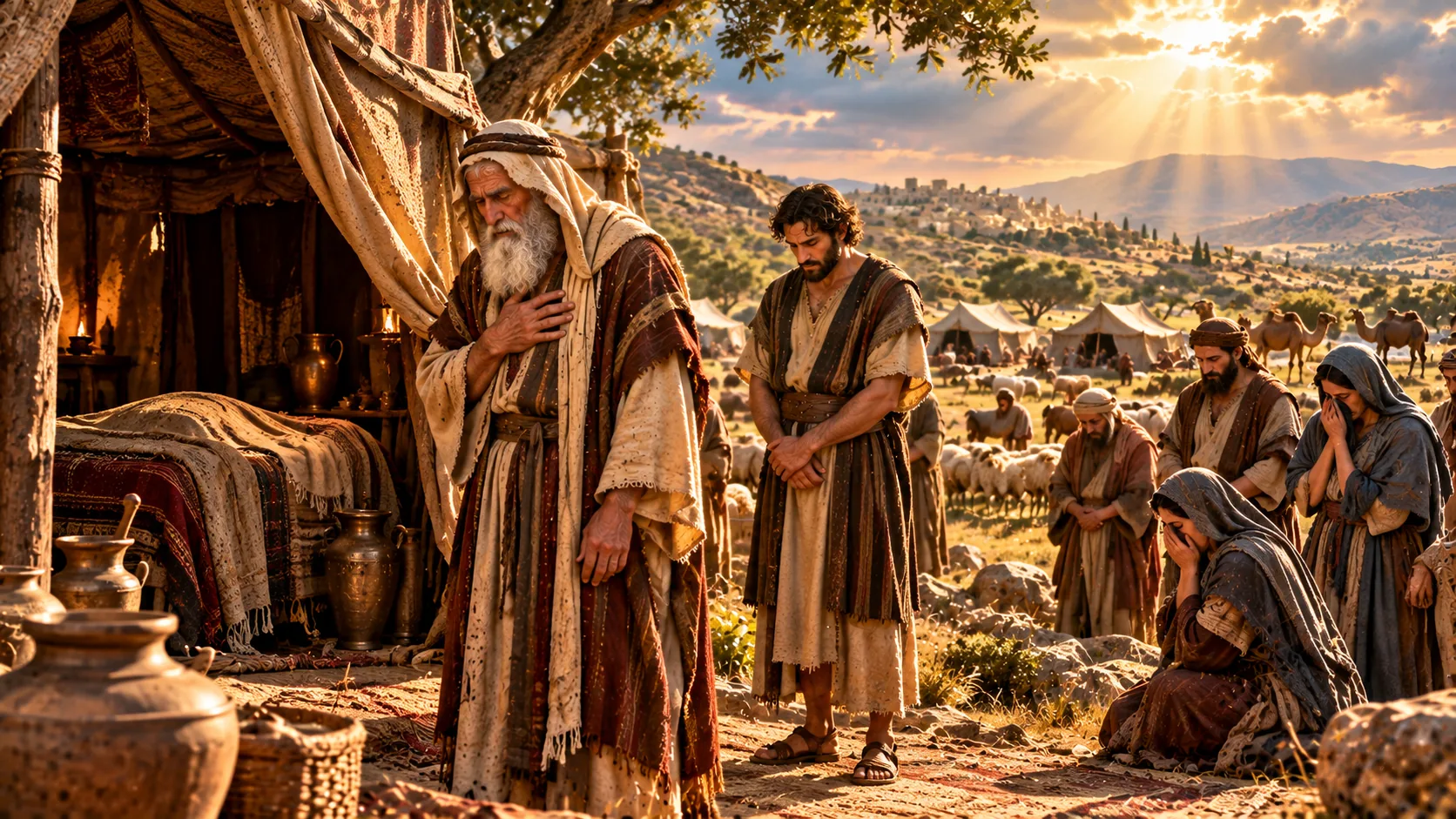
Nehemiah 5 begins with a great outcry from the people and their wives against their fellow Jews. Some families lack enough grain to survive. Others have mortgaged their fields, vineyards, and houses to obtain food during the famine.
Still others have borrowed money to pay the king’s taxes, using their property as security. Their financial desperation becomes so severe that some families are forced to place their sons and daughters into servitude.
When Nehemiah hears their complaints, he becomes very angry. Rather than reacting impulsively, he carefully considers the situation before confronting the nobles and officials.
Nehemiah accuses them of charging interest to their fellow Jews. He calls a large assembly and reminds them that Jewish leaders had worked to redeem Israelites who had been sold to foreign nations. Yet now wealthy Jews were effectively selling their own brothers and sisters into bondage again.
The accused leaders have no answer.
Nehemiah commands them to restore the fields, vineyards, olive groves, houses, money, grain, wine, and oil they had taken from the people. The nobles and officials agree to return what they have taken and promise not to demand further payment.
Nehemiah summons the priests and requires the leaders to swear that they will fulfill their promise. He then dramatically shakes out the folds of his garment, declaring that God should similarly shake out anyone who refuses to keep the agreement.
The chapter then highlights Nehemiah’s own example. During his twelve years as governor of Judah, he refuses to take the governor’s food allowance because previous governors had placed heavy burdens upon the people.
Instead of exploiting his position, Nehemiah feeds many people at his own table and continues working on Jerusalem’s wall.
The chapter ends with Nehemiah asking God to remember him for the good he has done for the people.

Key Lessons – Nehemiah Chapter 5
- God’s people must care about justice within their own community.
- Rebuilding Jerusalem’s walls meant little if the people living inside them were exploiting one another.
- Financial hardship should not become an opportunity for exploitation.
- The wealthy were taking advantage of families already suffering from famine, taxes, and poverty.
- Wise leaders think carefully before confronting wrongdoing.
- Although Nehemiah became angry, he first considered the matter before taking action.
- Godly leadership protects vulnerable people.
- Nehemiah used his authority to defend struggling families rather than enrich himself.
- Repentance should produce practical change.
- The nobles were not merely asked to admit wrongdoing. They were required to return what they had taken.
- Leaders should be willing to sacrifice personal privileges.
- Nehemiah refused benefits previous governors had taken because he did not want to increase the people’s burden.
- Fear of God should influence how we treat others.
- Nehemiah challenged the nobles to conduct themselves in reverence toward God rather than exploiting their fellow Israelites.
Important Verses
- Nehemiah 5:1 — A great outcry arises among the people and their wives against their fellow Jews.
- Nehemiah 5:5 — Families describe how their sons and daughters have been forced into servitude because of their debts.
- Nehemiah 5:6–7 — Nehemiah becomes angry after hearing their complaints, carefully considers the matter, and confronts the nobles and officials.
- Nehemiah 5:9 — Nehemiah calls the leaders to walk in the fear of God and stop bringing disgrace upon the community.
- Nehemiah 5:11 — Nehemiah commands the wealthy to restore the people’s fields, vineyards, olive groves, houses, money, grain, wine, and oil.
- Nehemiah 5:12 — The nobles agree to return what they have taken and promise not to demand anything further.
- Nehemiah 5:15 — Nehemiah explains that unlike previous governors, he refused to burden the people because of his fear of God.
- Nehemiah 5:19 — Nehemiah asks God to remember him for the good he has done for the people.