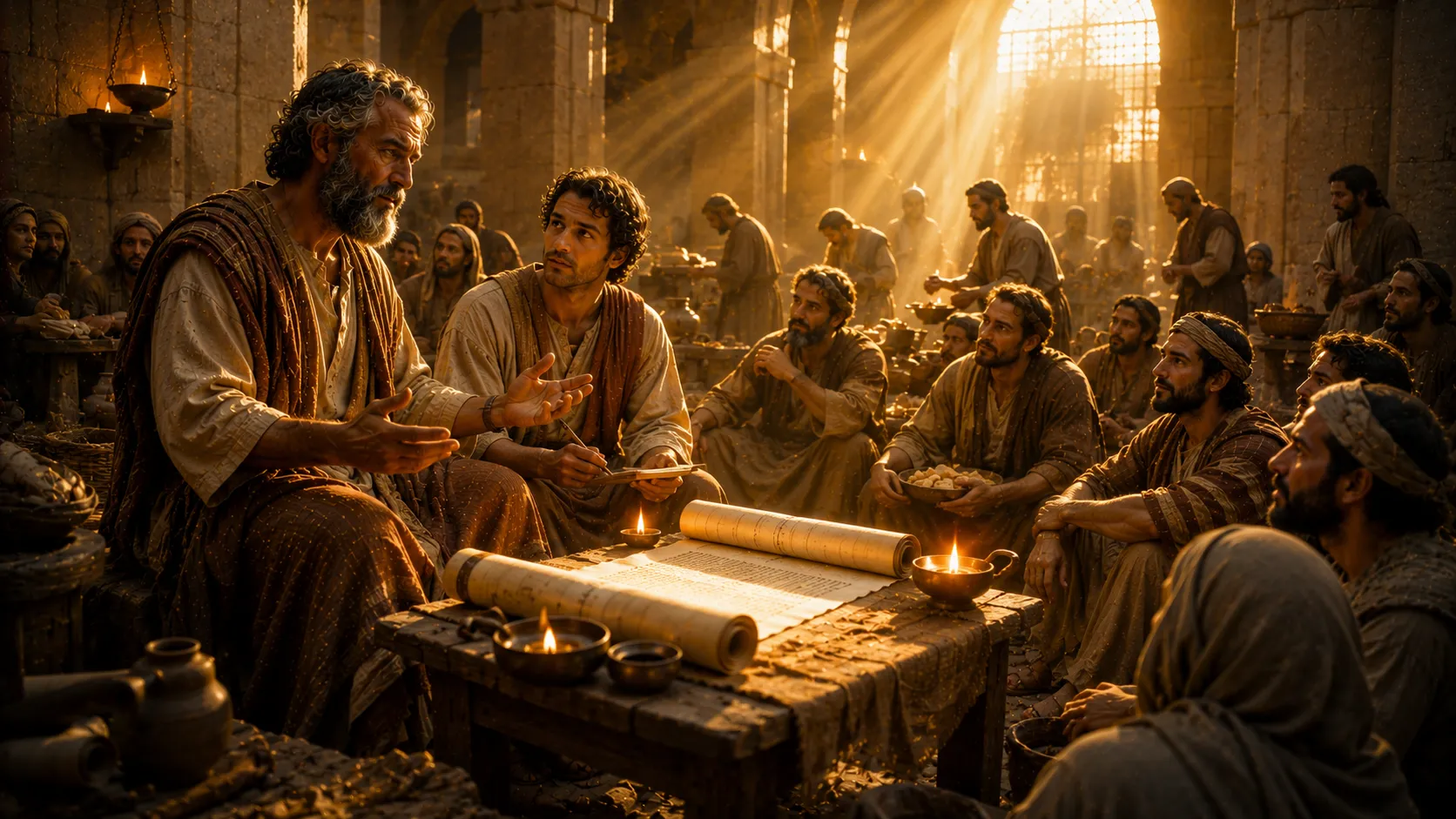
1 Timothy Chapter 3 outlines God’s qualifications for spiritual leadership within the Church. The Apostle Paul instructs Timothy on the character required for overseers (elders) and deacons, emphasizing that leadership is based on godly character rather than personal ambition or status. Paul also explains the Church’s role as the household of God and concludes by celebrating the glorious mystery of Jesus Christ revealed in the Gospel. Ultimately, 1 Timothy Chapter 3 teaches that faithful leadership and holy living strengthen Christ’s Church and bring glory to God.
1 Timothy Chapter 3 Summary
Paul begins by stating that anyone who desires to serve as an overseer desires a noble and honorable work. However, this calling carries great responsibility. An overseer must be above reproach, faithful to his spouse, self-controlled, wise, respectable, hospitable, and able to teach. He must not be given to drunkenness, violence, or greed but instead be gentle, peaceable, and content.
Paul explains that church leaders must first demonstrate faithfulness in their own homes. A man who faithfully leads his family with wisdom, love, and discipline shows that he is prepared to care for God’s Church. Likewise, an overseer should not be a recent convert, since spiritual maturity develops over time and protects leaders from pride and temptation. He must also maintain a good reputation with those outside the Church so that the Gospel is honored.
Paul then turns to the qualifications for deacons. Like overseers, deacons are to be people of integrity, honesty, self-control, and sincere faith. They must first be tested and proven faithful before serving in leadership. Their lives should demonstrate consistency between what they believe and how they live. Paul also emphasizes the importance of godly households, where faithfulness and integrity are evident in family relationships.
Those who serve well as deacons gain an excellent standing and greater confidence in their faith in Jesus Christ. Their faithful service becomes a testimony that encourages the entire Church.
Paul explains that he writes these instructions so believers will know how to conduct themselves in God’s household, which is the Church of the living God, the pillar and foundation of the truth. The Church has the sacred responsibility of preserving, proclaiming, and living out the truth of God’s Word before the world.
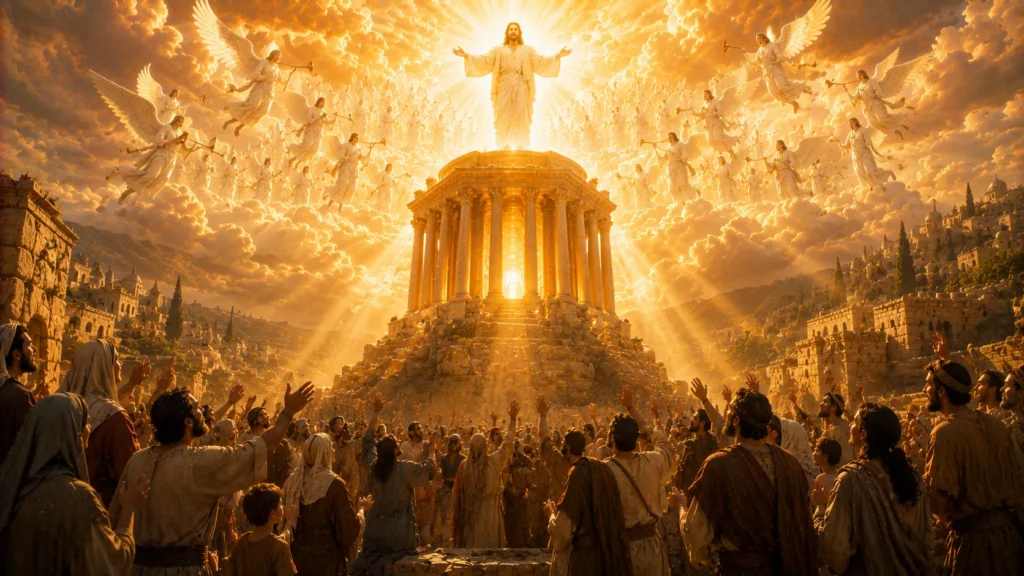
The chapter concludes with one of the New Testament’s beautiful confessions of faith. Paul celebrates the mystery of godliness fulfilled in Jesus Christ: He was revealed in the flesh, vindicated by the Spirit, seen by angels, proclaimed among the nations, believed on throughout the world, and taken up in glory. This powerful summary declares the life, ministry, resurrection, worldwide proclamation, and exaltation of Jesus Christ.
1 Timothy Chapter 3 teaches that God values character above talent when choosing leaders for His Church. Faithful leadership, humble service, and unwavering commitment to the truth allow the Church to reflect Christ faithfully until He returns.
Key Lessons From 1 Timothy Chapter 3
- Godly character is essential for spiritual leadership.
- Church leaders should lead their families faithfully.
- Integrity is more important than personal ability.
- The Church is the pillar and foundation of God’s truth.
- Faithful service strengthens the entire body of Christ.
- Jesus Christ is the glorious foundation of the Gospel.
Important Verses
- 1 Timothy 3:1 – “Whoever aspires to be an overseer desires a noble task.”
- 1 Timothy 3:15 – “…the household of God, which is the church of the living God, the pillar and foundation of the truth.”
- 1 Timothy 3:16 – “Beyond all question, the mystery from which true godliness springs is great: He appeared in the flesh, was vindicated by the Spirit, was seen by angels, was preached among the nations, was believed on in the world, was taken up in glory.”