








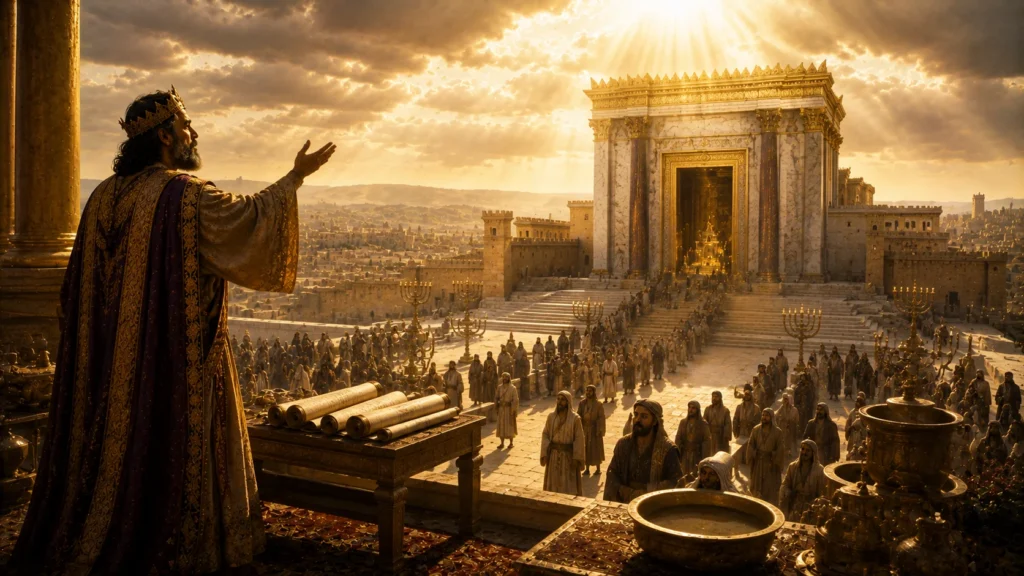
Ecclesiastes Chapter 5 offers practical wisdom about approaching God with reverence, keeping promises, responding to injustice, and understanding the limitations of wealth. Solomon warns against careless worship and impulsive words before God, emphasizing that genuine reverence requires listening and obedience.
The chapter then turns to money and possessions. Wealth can create anxiety, attract people who consume it, and disappear unexpectedly. Solomon concludes that material possessions cannot provide lasting satisfaction. Instead, the ability to enjoy one’s work, food, possessions, and days of life is itself a gift from God.
Ecclesiastes Chapter 5 Summary
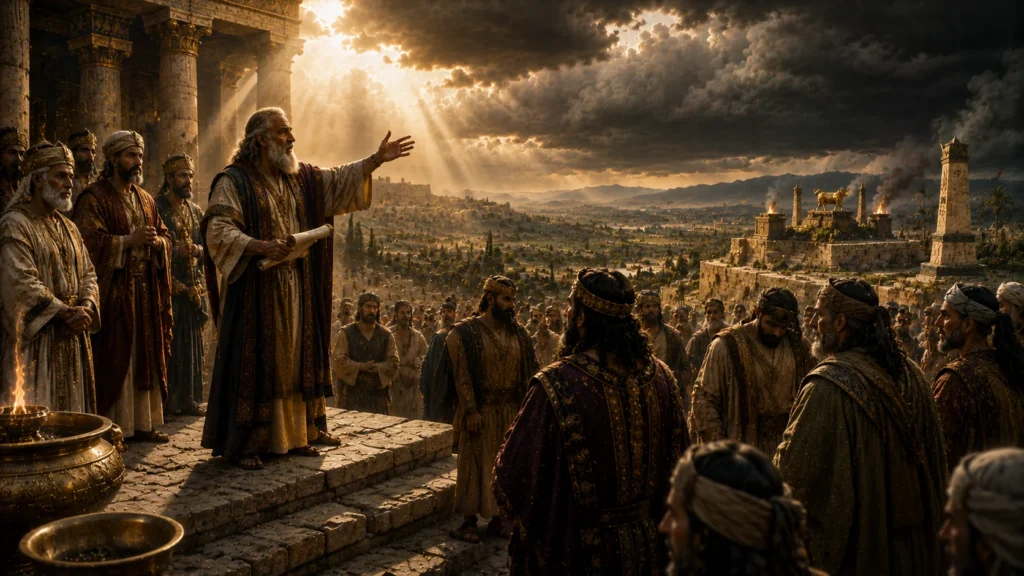
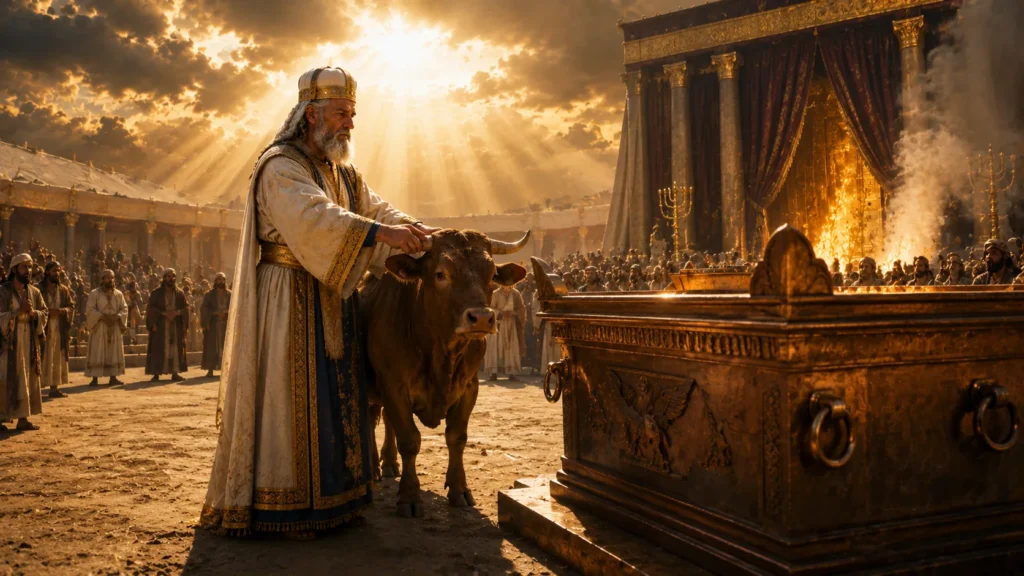
Ecclesiastes 5 begins with a warning about how people approach the house of God. Solomon teaches that worshipers should come prepared to listen rather than carelessly offering sacrifices while continuing in foolishness.
He then warns against speaking rashly before God. Because God is in heaven and humanity is upon earth, our words should reflect humility and reverence.
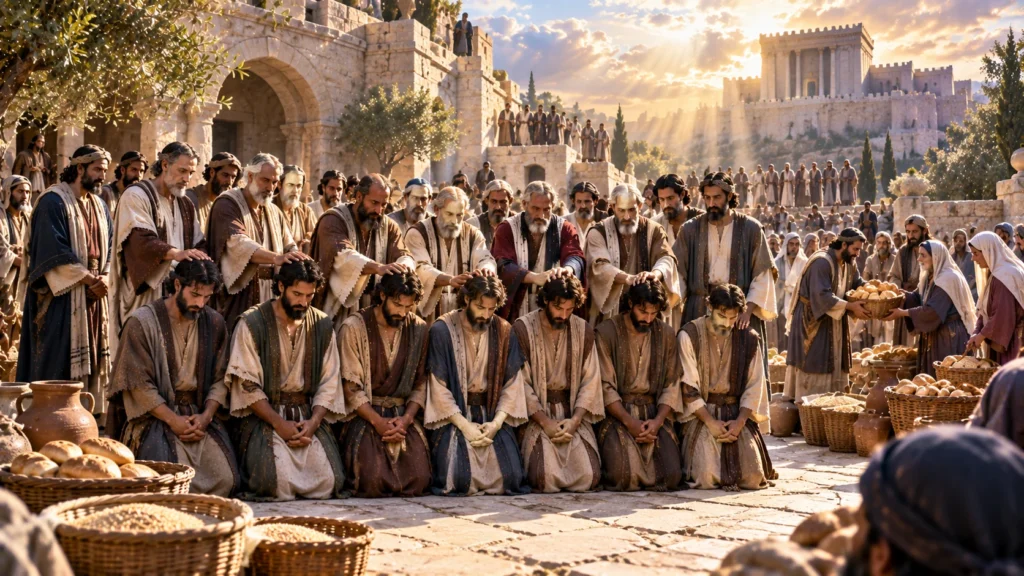
This principle becomes especially important when making vows. Solomon teaches that when someone makes a promise to God, it should be fulfilled without delay. It is better not to make a vow at all than to make one and refuse to keep it.
The chapter then addresses injustice and oppression. Solomon acknowledges that the poor may be oppressed and justice may be denied by corrupt officials. Such injustice should not be surprising in a fallen system where one official watches another and still higher authorities stand above them.
Solomon next turns his attention toward wealth. A person who loves money will never be fully satisfied with money, and someone who continually desires greater abundance will never feel that he possesses enough.
As wealth increases, more people appear to consume it. The owner may gain little beyond the ability to look upon what he possesses.
By contrast, Solomon observes that a laborer can sleep peacefully whether he has much or little, while the abundance of a wealthy person may prevent restful sleep.
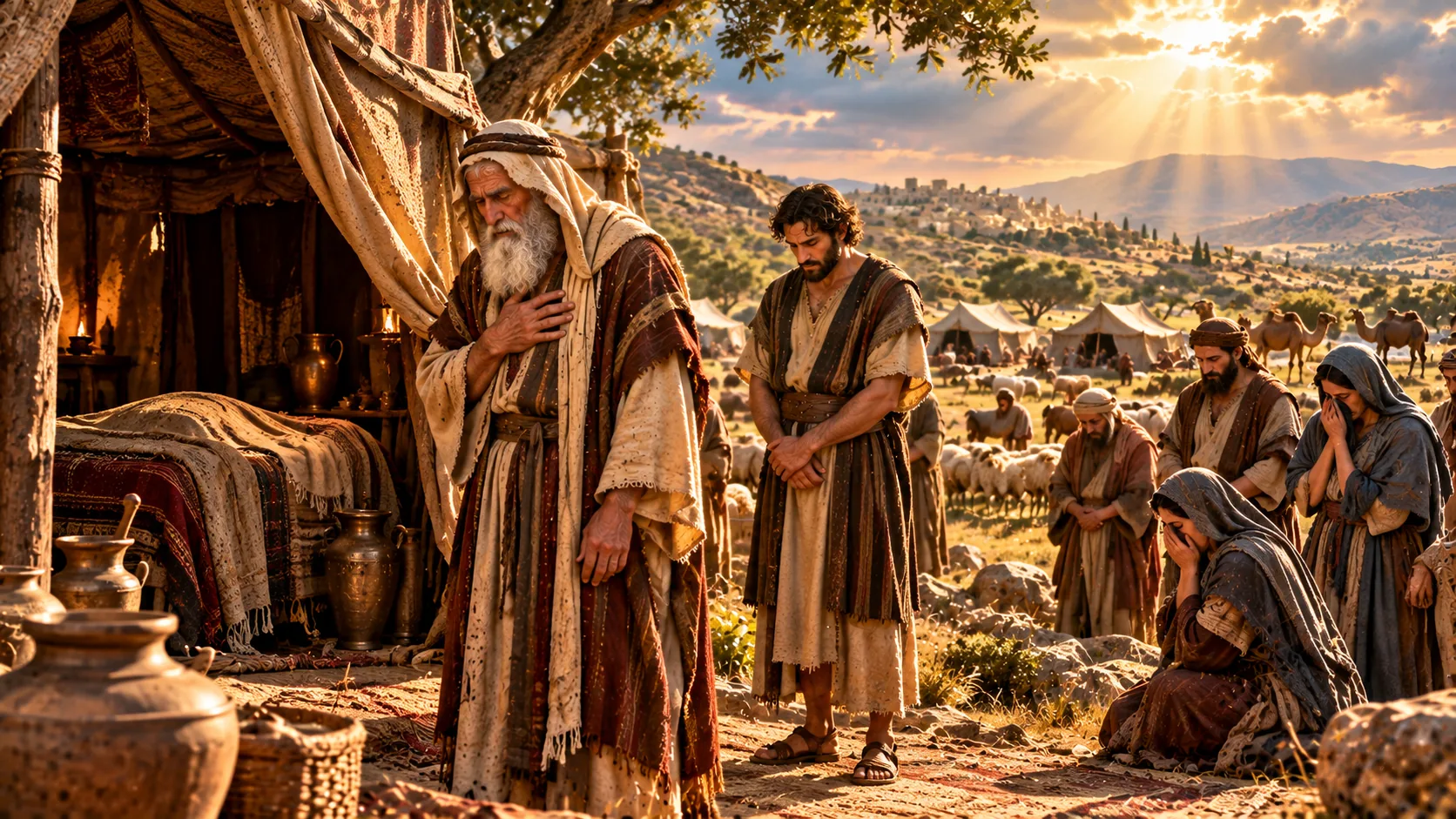
Wealth can also be lost through unfortunate circumstances, leaving nothing for the next generation. Ultimately, everyone leaves this world exactly as they entered it—without carrying material possessions away.
Yet Ecclesiastes 5 does not end in despair. Solomon says it is good for people to eat, drink, enjoy their labor, and appreciate what God has given them during their limited days.
When God gives someone wealth, possessions, and the ability to enjoy them, that enjoyment should be recognized as a divine gift.

Key Lessons – Ecclesiastes Chapter 5
- Approach God with reverence.
- Worship should never become careless or empty. Solomon emphasizes listening attentively when entering God’s presence.
- Think carefully before speaking before God.
- Our prayers and promises should reflect humility rather than impulsive or meaningless words.
- Keep the promises you make to God.
- Solomon warns that making a vow is serious. It is better not to promise than to promise and refuse to fulfill it.
- Money cannot permanently satisfy the human heart.
- The person who loves wealth continually wants more, regardless of how much has already been accumulated.
- More possessions can bring more worries.
- Wealth does not automatically produce peace. Greater abundance can sometimes increase anxiety and responsibility.
- Material wealth is temporary.
- Possessions can disappear suddenly, and nothing accumulated during earthly life can ultimately be taken beyond death.
- Contentment is more valuable than accumulation.
- The ability to appreciate ordinary blessings can bring greater peace than constantly pursuing more.
- Enjoyment itself is a gift from God.
- Solomon teaches that wealth alone is insufficient. The ability to enjoy what God provides is also a blessing from Him.
Important Verses
- Ecclesiastes 5:1 — Solomon warns people to approach the house of God carefully and emphasizes listening rather than offering the sacrifice of fools.
- Ecclesiastes 5:2 — “Be not rash with thy mouth, and let not thine heart be hasty to utter any thing before God.”
- Ecclesiastes 5:4 — When a vow is made to God, Solomon commands that it should not be delayed in being fulfilled.
- Ecclesiastes 5:5 — “Better is it that thou shouldest not vow, than that thou shouldest vow and not pay.”
- Ecclesiastes 5:10 — The person who loves silver will never be satisfied with silver, revealing the emptiness of pursuing wealth for fulfillment.
- Ecclesiastes 5:12 — The laborer sleeps peacefully, while the abundance of the wealthy can prevent restful sleep.
- Ecclesiastes 5:15 — Human beings leave this world as they entered it and cannot carry the fruit of their labor with them.
- Ecclesiastes 5:18 — Solomon says it is good to eat, drink, and enjoy the good of one’s labor during the days God gives.
- Ecclesiastes 5:19 — Wealth, possessions, and the ability to enjoy them are described as gifts from God.