

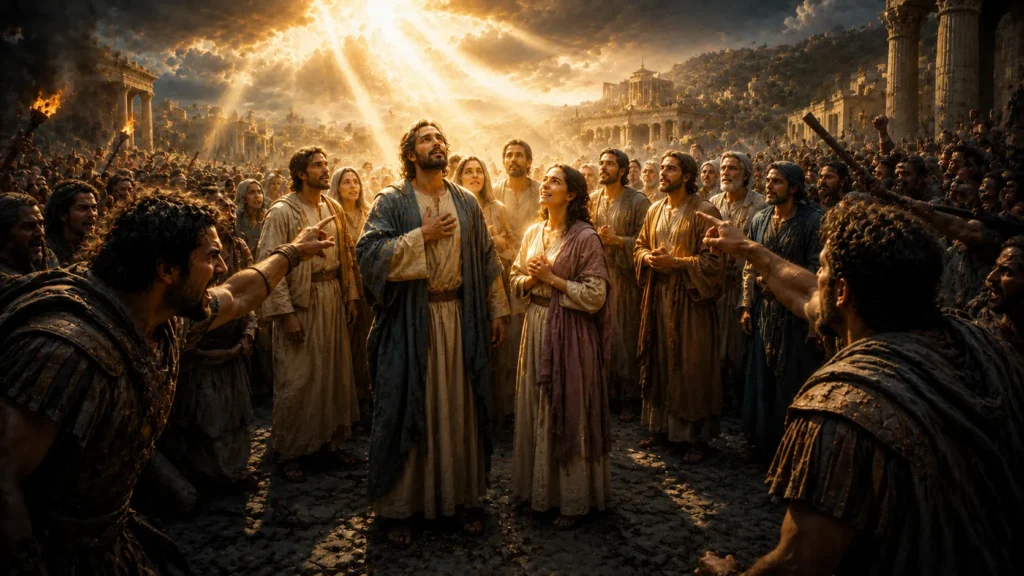

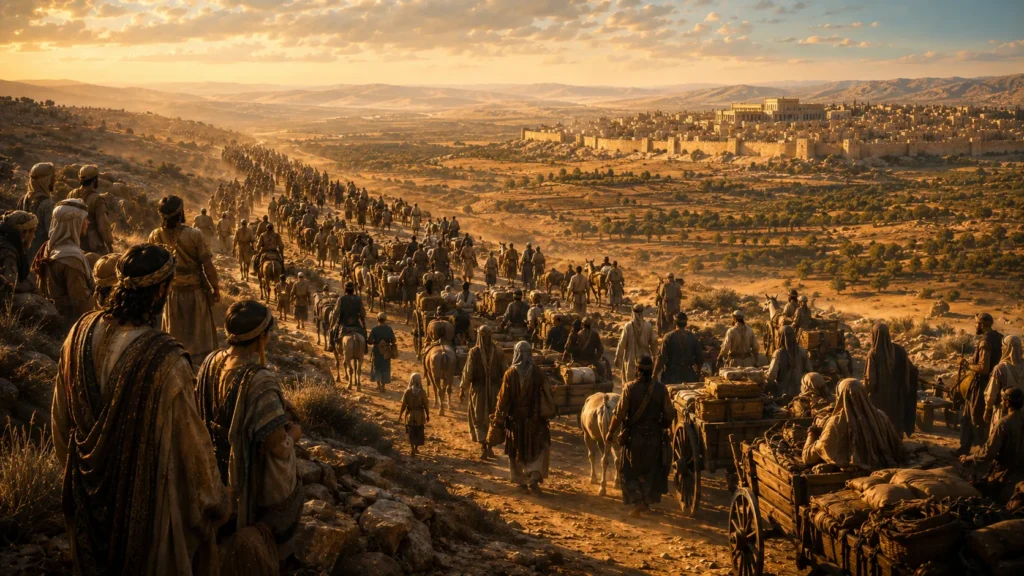
Ezra Chapter 2 records the return of the first group of Jewish exiles from Babylon to Jerusalem under the leadership of Zerubbabel. The chapter contains a detailed census of the people who returned to rebuild their homeland and restore worship to God. Though it is largely a list of names and numbers, it demonstrates God’s faithfulness in preserving His people and fulfilling His promise to bring them back to the Promised Land.
Ezra Chapter 2 Summary
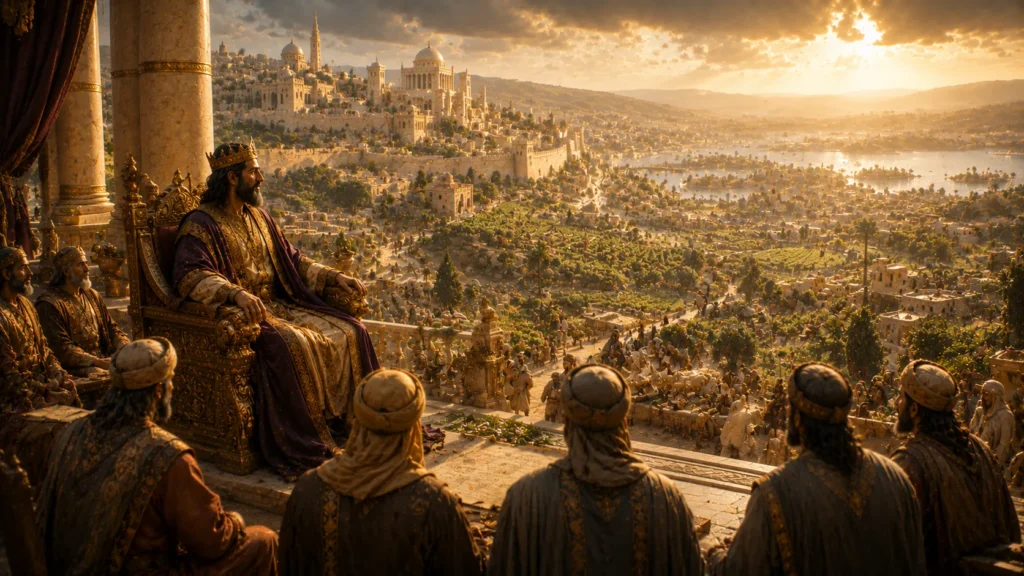
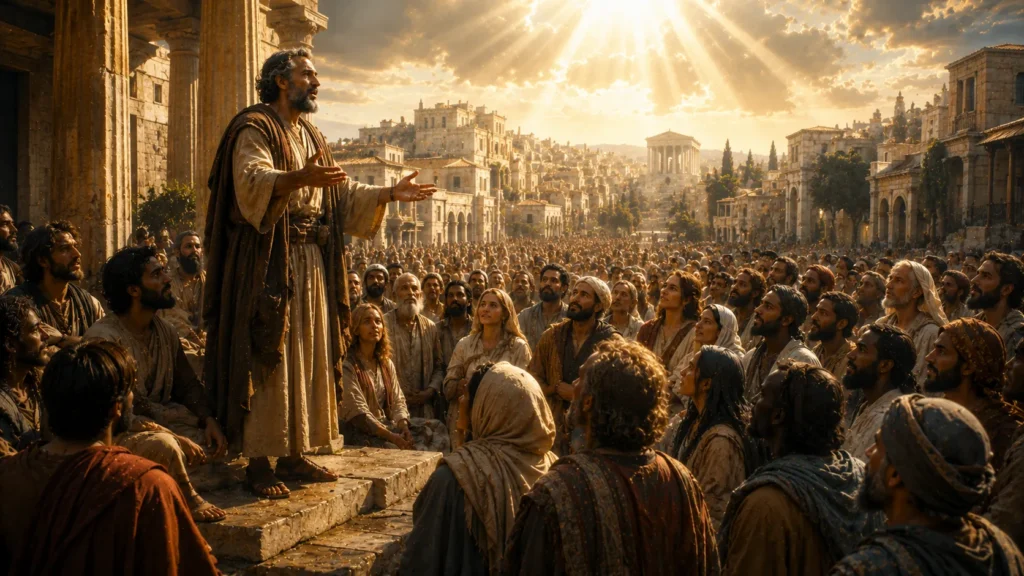
Following King Cyrus’s decree allowing the Jewish exiles to return to Jerusalem, thousands of Israelites prepared for the journey home after decades of captivity in Babylon.
The chapter begins by listing the leaders who accompanied Zerubbabel, including Jeshua, Nehemiah, Mordecai, and other prominent men who helped organize the return.
A detailed census follows, recording the families and clans that returned. These records were important because they established tribal identities, inheritance rights, and eligibility for various responsibilities within the restored community.
The largest portion of the returnees consisted of ordinary Israelites from various family groups. Alongside them were priests, Levites, singers, gatekeepers, and temple servants who would help restore worship in Jerusalem.
Special attention was given to the priestly families. Some individuals claimed priestly ancestry but could not prove their genealogy. As a result, they were temporarily excluded from priestly service until their lineage could be verified.
The chapter also records the number of servants, singers, horses, mules, camels, and donkeys that accompanied the people, illustrating the scale of the return journey.
In total, over forty-two thousand Israelites returned, along with thousands of servants and animals.
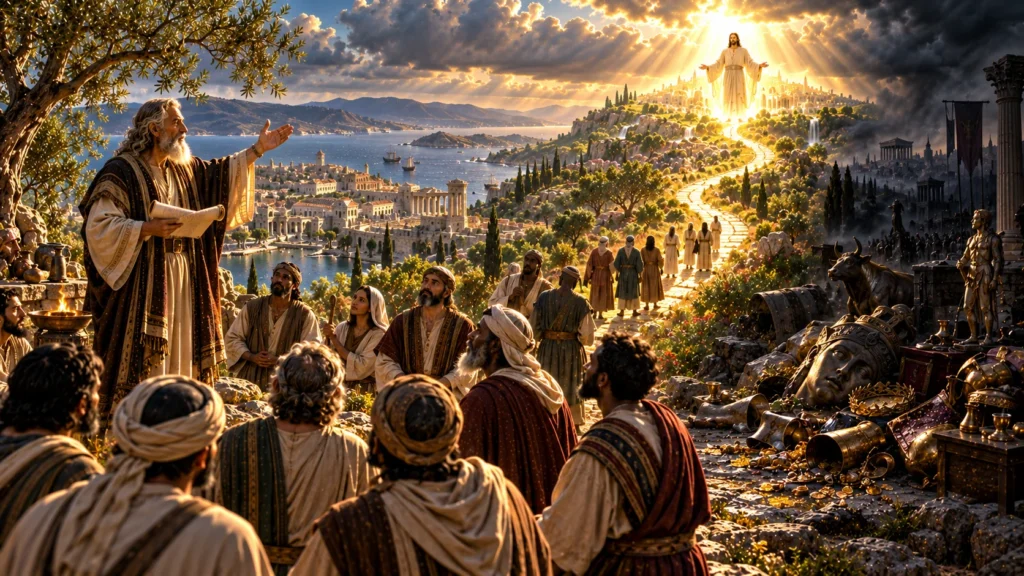
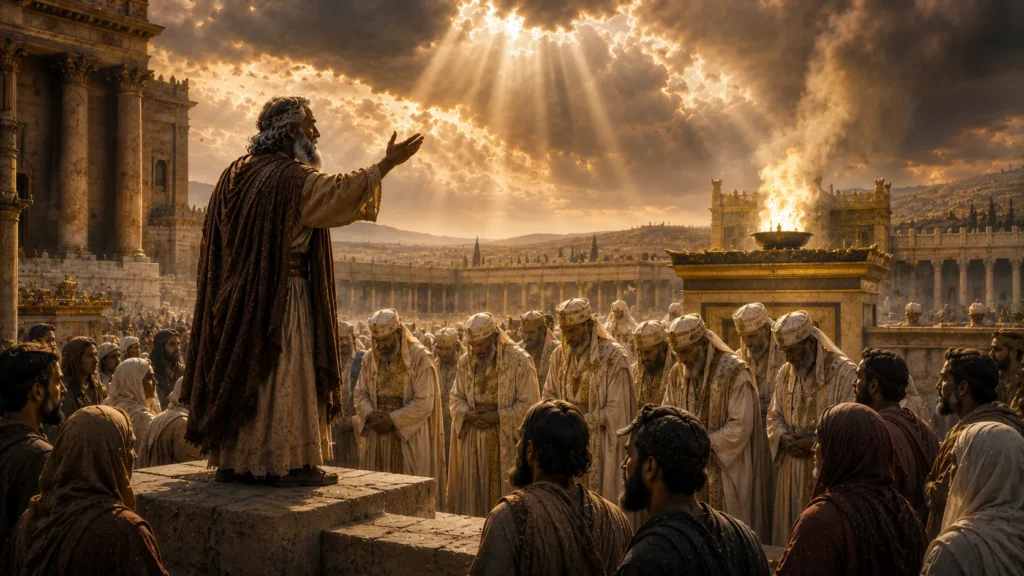
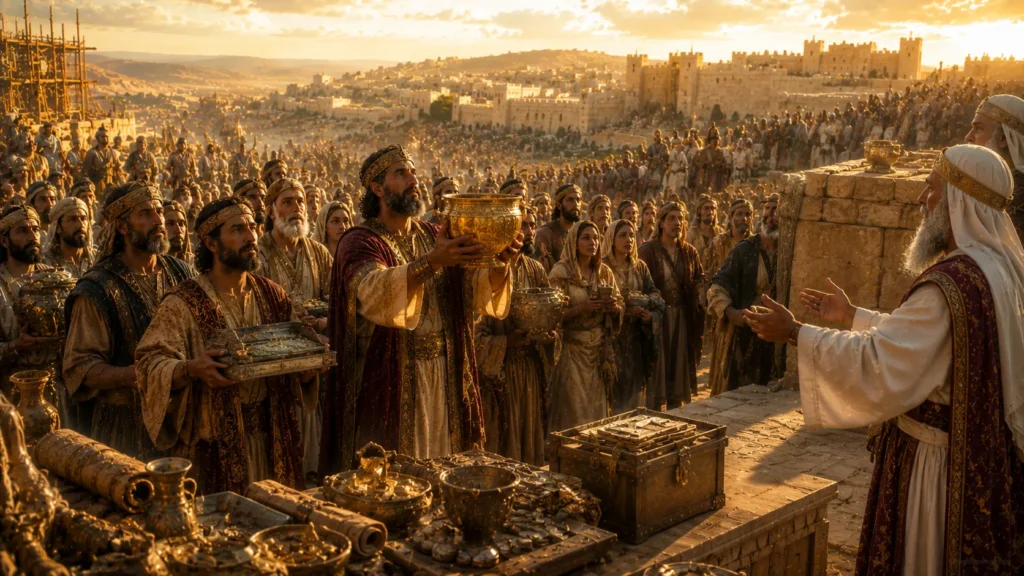
Upon arriving in Jerusalem, many of the leaders willingly gave offerings toward rebuilding the Temple of God. Their generosity demonstrated a desire to restore proper worship and honor the Lord.
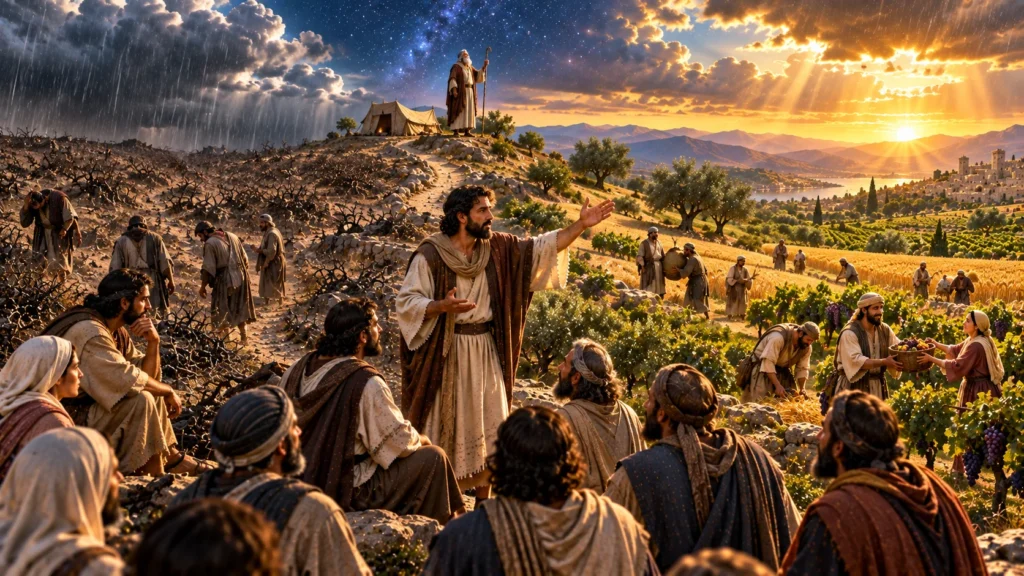
The chapter concludes with the people settling in their towns throughout Judah while preparing for the work of rebuilding Jerusalem and the Temple.
Ezra Chapter 2 highlights God’s faithfulness in preserving His covenant people and shows the importance of commitment, worship, and obedience during seasons of restoration.
Key Lessons From Ezra 2
- God faithfully keeps His promises across generations.
- Every believer has a role in God’s work.
- Faithful records preserve God’s covenant history.
- Restoration often requires sacrifice and commitment.
- Worship should remain central to God’s people.
- Generosity helps advance God’s kingdom purposes.
- God values both individuals and communities.
Important Verses
- Ezra 2:1 — The people return from captivity to Jerusalem and Judah.
- Ezra 2:62 — Some priests could not verify their genealogy.
- Ezra 2:68 — The people willingly gave offerings for God’s house.
- Ezra 2:69 — Contributions were made according to each person’s ability.
- Ezra 2:70 — The people settled in their cities throughout the land.